
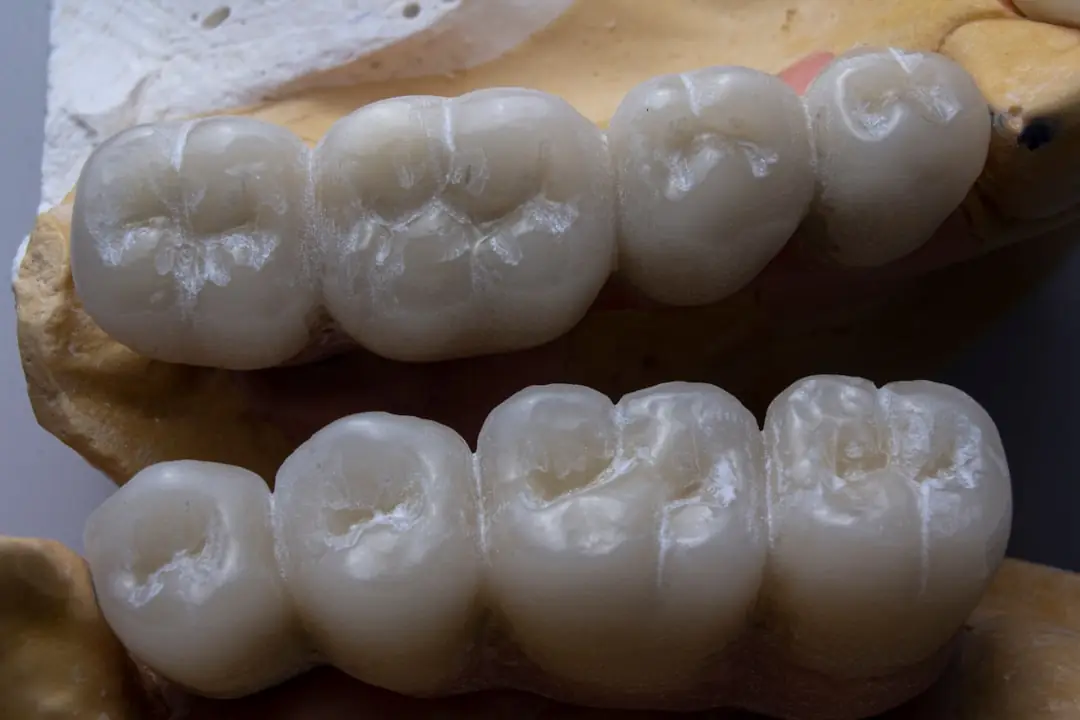
Tooth bonding is a popular cosmetic dental procedure that allows us to enhance the appearance of our teeth while also addressing minor dental issues. This technique involves applying a tooth-colored resin material to the surface of our teeth, which is then shaped and polished to match the natural contours and color of our existing teeth. The result is a seamless and aesthetically pleasing smile that can boost our confidence and improve our overall oral health.
Bonding is often used to repair chipped or cracked teeth, close gaps between teeth, or even alter the shape of a tooth. The process of tooth bonding is relatively straightforward and can often be completed in a single visit to the dentist. First, our dentist will prepare the tooth by roughening its surface and applying a conditioning liquid to help the bonding material adhere better.
Next, the resin is applied, molded, and shaped to achieve the desired look. Finally, a special light is used to harden the material, ensuring that it bonds securely to the tooth. This minimally invasive procedure is an excellent option for those of us seeking quick and effective solutions for minor dental imperfections.
Key Takeaways
- Tooth bonding is a cosmetic dental procedure used to repair chipped, cracked, or discolored teeth.
- The cost of tooth bonding varies based on factors like the extent of damage, location, and dentist’s expertise.
- Average tooth bonding costs typically range from 0 to 0 per tooth.
- Insurance coverage for tooth bonding is limited, often considered a cosmetic procedure.
- Financing options and money-saving tips can help make tooth bonding more affordable.
Factors Affecting the Cost of Tooth Bonding
When considering tooth bonding, it’s essential for us to understand the various factors that can influence the overall cost of the procedure. One of the primary factors is the complexity of the case. If we are only looking to fix a small chip or gap, the cost may be relatively low.
However, if we require extensive work on multiple teeth or more intricate shaping, the price can increase significantly. The skill and experience of our dentist also play a crucial role in determining the cost; highly experienced professionals may charge more for their expertise. Another factor that can affect the cost is our geographical location.
Dental prices can vary widely depending on where we live. Urban areas with a higher cost of living may have higher dental fees compared to rural regions. Additionally, the type of dental practice we choose can impact pricing; for instance, specialized cosmetic dentists may charge more than general practitioners.
It’s important for us to research and compare prices from different dental offices to ensure we are getting a fair deal.
Average Cost of Tooth Bonding

On average, we can expect to pay between $300 and $600 per tooth for bonding procedures. This range can vary based on the factors mentioned earlier, such as complexity and location. For instance, if we are only bonding one tooth, we might find ourselves on the lower end of that spectrum.
However, if we need multiple teeth bonded or if our case requires more intricate work, we could find ourselves paying closer to the higher end of that range. It’s also worth noting that while bonding is generally considered an affordable cosmetic option compared to other procedures like veneers or crowns, it may not be a permanent solution. Depending on our oral habits and care, bonded teeth may need to be redone every few years due to wear and tear.
Therefore, while the initial cost may seem reasonable, we should also consider potential future expenses when budgeting for tooth bonding.
Additional Costs to Consider
| Cost Type | Description | Estimated Range | Frequency |
|---|---|---|---|
| Shipping and Handling | Costs for transporting goods from supplier to destination | 50 – 500 | Per shipment |
| Customs and Import Duties | Taxes imposed on imported goods by government | 5% – 20% of product value | Per shipment |
| Packaging | Materials and labor for product packaging | 0.10 – 2.00 per unit | Per unit |
| Storage and Warehousing | Costs for storing inventory in warehouses | 100 – 1000 | Monthly |
| Insurance | Coverage for goods during transit and storage | 0.5% – 2% of product value | Annually |
| Handling Fees | Charges for loading, unloading, and processing shipments | 20 – 200 | Per shipment |
| Taxes and Regulatory Fees | Additional government fees and compliance costs | Varies by region | Varies |
In addition to the base cost of tooth bonding itself, there are several other expenses we should keep in mind when planning for this procedure. For example, many dental offices charge consultation fees for initial visits where we discuss our options and receive an examination. This fee can range from $50 to $200, depending on the practice.
If we require X-rays or other diagnostic imaging before proceeding with bonding, these costs can add up as well. Furthermore, aftercare is another aspect that may incur additional costs. While bonding typically does not require extensive follow-up visits, we may need to return for touch-ups or adjustments if we experience any issues with our bonded teeth.
Additionally, maintaining good oral hygiene and regular dental check-ups will help prolong the life of our bonding but may also contribute to ongoing dental expenses.
Insurance Coverage for Tooth Bonding
When it comes to insurance coverage for tooth bonding, it’s essential for us to understand that policies can vary significantly from one provider to another. Many dental insurance plans categorize bonding as a cosmetic procedure, which means they may not cover it at all or may only cover a portion of the costs if it’s deemed medically necessary. For instance, if bonding is required due to trauma or decay rather than purely for aesthetic reasons, there’s a higher chance that our insurance will provide some level of coverage.
It’s also beneficial to discuss coverage options with our dentist’s office before proceeding with treatment. They often have experience working with various insurance companies and can help us navigate any questions regarding coverage and out-of-pocket expenses.
Financing Options for Tooth Bonding

For those of us who may find the cost of tooth bonding to be a financial burden, there are several financing options available that can help make this procedure more accessible. Many dental practices offer payment plans that allow us to spread out the cost over several months or even years. This can make it easier for us to manage our budget while still receiving the dental care we need.
Additionally, some third-party financing companies specialize in medical and dental procedures. These companies often provide loans specifically designed for healthcare expenses, allowing us to pay for tooth bonding upfront and then repay the loan over time with manageable monthly payments. It’s important for us to carefully review any financing agreements and understand interest rates and terms before committing.
Finding a Qualified Dentist for Tooth Bonding
Choosing the right dentist for our tooth bonding procedure is crucial in ensuring we achieve the best possible results. We should start by seeking recommendations from friends or family members who have had similar work done. Online reviews and testimonials can also provide valuable insights into a dentist’s skill and patient satisfaction levels.
Once we have a list of potential dentists, it’s wise to schedule consultations with them. During these visits, we can ask about their experience with bonding procedures, view before-and-after photos of previous patients, and discuss any concerns we may have. A qualified dentist will take the time to explain the process thoroughly and help us feel comfortable with our decision.
Tips for Saving Money on Tooth Bonding
While tooth bonding can be an affordable cosmetic option compared to other treatments, there are still ways for us to save money on this procedure. One effective strategy is to look for dental schools in our area that offer discounted services performed by students under professional supervision. These programs often provide high-quality care at a fraction of the cost.
Another tip is to take advantage of promotional offers or discounts that some dental practices may provide periodically.
Additionally, maintaining good oral hygiene and regular check-ups can help prevent more extensive dental work down the line, ultimately saving us money in the long run.
In conclusion, understanding tooth bonding and its associated costs is essential for making informed decisions about our dental care. By considering factors such as complexity, location, insurance coverage, and financing options, we can better navigate this process and achieve a beautiful smile without breaking the bank. With careful planning and research, we can find qualified professionals who will help us achieve our desired results while keeping costs manageable.
Tooth bonding is an effective cosmetic dental procedure that can enhance the appearance of your smile, but it’s important to consider the associated costs. For those interested in exploring more about cosmetic dentistry options, you might find this article on