

Tooth preparation for veneers, commonly referred to as tooth shaving or reduction, is a dental procedure that involves the precise removal of a thin layer of tooth enamel from the front surface of teeth. This process creates an appropriately prepared surface that enables proper veneer bonding and ensures optimal fit, function, and aesthetic results. Dental professionals utilize specialized instruments and techniques to achieve the necessary precision during this procedure, which is critical for successful veneer placement.
The amount of enamel removal required varies significantly between patients and individual teeth. Several factors influence the extent of tooth reduction, including the existing tooth structure and condition, the specific type of veneers selected (such as porcelain or composite), and the patient’s aesthetic goals.
This variation emphasizes the importance of comprehensive dental evaluation and consultation, during which the dentist can assess individual circumstances and develop an appropriate treatment plan tailored to each patient’s specific dental anatomy and objectives.
Key Takeaways
- Shaving teeth for veneers involves removing a thin layer of enamel to fit the veneers properly.
- Selecting a qualified and experienced dentist is crucial to ensure safety and optimal results.
- There are potential risks such as tooth sensitivity, damage, and complications that patients should be aware of.
- Proper preparation and understanding of the procedure help manage expectations and improve outcomes.
- Aftercare, including good oral hygiene and regular dental visits, is essential to maintain veneers’ longevity.
The Importance of Choosing a Qualified Dentist for the Procedure
Selecting a qualified dentist for the veneer procedure is paramount to achieving the best results. We must ensure that our dentist has extensive experience and training in cosmetic dentistry, particularly in the application of veneers. A skilled professional will not only understand the technical aspects of shaving teeth but will also have an eye for aesthetics, ensuring that our new smile complements our facial features and enhances our overall appearance.
Moreover, a qualified dentist will take the time to discuss our goals and expectations during the initial consultation. They should conduct a comprehensive examination of our dental health and provide us with a clear understanding of the procedure, including any potential risks involved. By choosing a dentist who prioritizes patient education and comfort, we can feel more confident in our decision and more at ease throughout the process.
Potential Risks and Complications of Shaving Teeth for Veneers
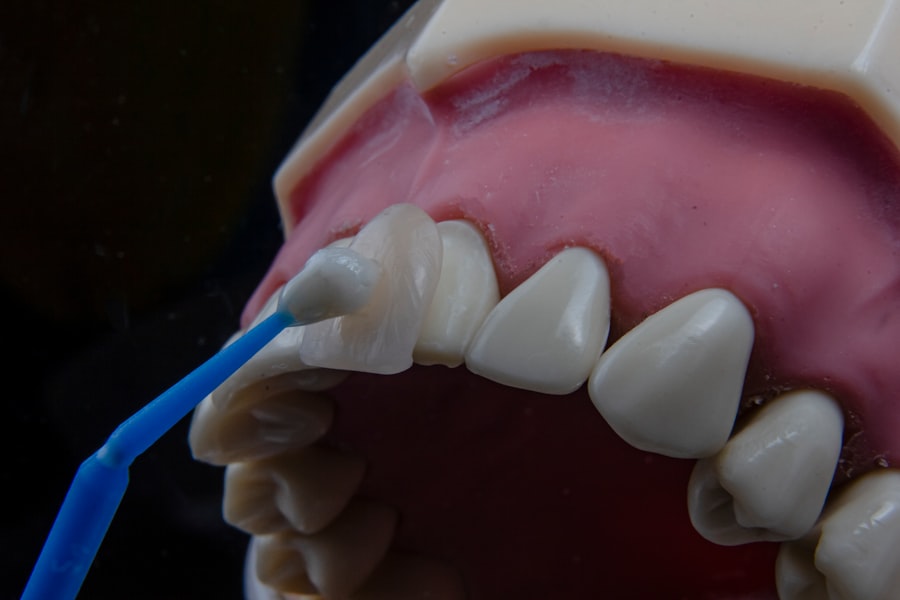
While shaving teeth for veneers is generally considered safe, it is not without its risks and potential complications. One of the primary concerns is the possibility of over-reduction, where too much enamel is removed. This can lead to increased sensitivity and may compromise the integrity of our natural teeth.
If we experience heightened sensitivity after the procedure, it can be uncomfortable and may require additional treatments to manage. Another risk involves the bonding process itself. If the veneers are not properly adhered to our teeth, they may become dislodged or fail prematurely.
This can result in additional costs and time spent on repairs or replacements. Additionally, if we do not maintain proper oral hygiene after receiving veneers, we may face issues such as decay or gum disease, which can further complicate our dental health. Therefore, it is crucial for us to weigh these risks against the benefits when considering this cosmetic procedure.
Preparing for the Procedure and What to Expect
Preparation for shaving teeth for veneers involves several steps that help ensure a smooth experience. Initially, we should schedule a comprehensive consultation with our dentist to discuss our goals and expectations. During this appointment, we can expect to undergo a thorough examination of our teeth and gums, as well as imaging or impressions to help visualize the final outcome.
Our dentist may also provide us with information on what to expect during the procedure itself. On the day of the procedure, we should arrive with a clear understanding of what will happen. Typically, local anesthesia is administered to ensure our comfort during the shaving process.
We may also be given temporary veneers to wear while our custom veneers are being fabricated in a dental lab. This step allows us to get accustomed to the feel and appearance of veneers while ensuring that we are satisfied with the shape and color before final placement.
Aftercare and Maintenance of Veneers
| Metric | Typical Range | Details |
|---|---|---|
| Enamel Removal Thickness | 0.3 – 0.7 mm | Amount of tooth enamel shaved to accommodate veneers |
| Number of Teeth Treated | 1 – 8 teeth | Depends on patient’s smile design and treatment plan |
| Procedure Duration | 30 – 90 minutes | Time taken to shave teeth and prepare for veneers |
| Recovery Time | 1 – 3 days | Time for sensitivity to subside after enamel removal |
| Veneer Thickness | 0.3 – 1.0 mm | Thickness of the porcelain or composite veneer applied |
| Tooth Sensitivity Increase | Low to Moderate | Temporary sensitivity due to enamel removal |
| Longevity of Veneers | 10 – 15 years | Average lifespan with proper care |
Once we have completed the shaving process and had our veneers placed, proper aftercare becomes essential for maintaining their appearance and longevity. We should follow our dentist’s recommendations regarding oral hygiene practices, which typically include brushing twice daily with a non-abrasive toothpaste and flossing regularly. It’s important for us to avoid hard or sticky foods that could damage or dislodge our veneers.
Regular dental check-ups are also crucial in ensuring that our veneers remain in good condition. During these visits, our dentist can assess the health of both our natural teeth and the veneers themselves, addressing any concerns that may arise. Additionally, we should be mindful of habits such as grinding our teeth or using them as tools, as these can lead to premature wear or damage.
By committing to diligent aftercare, we can enjoy our beautiful new smile for many years to come.
Alternative Options to Shaving Teeth for Veneers
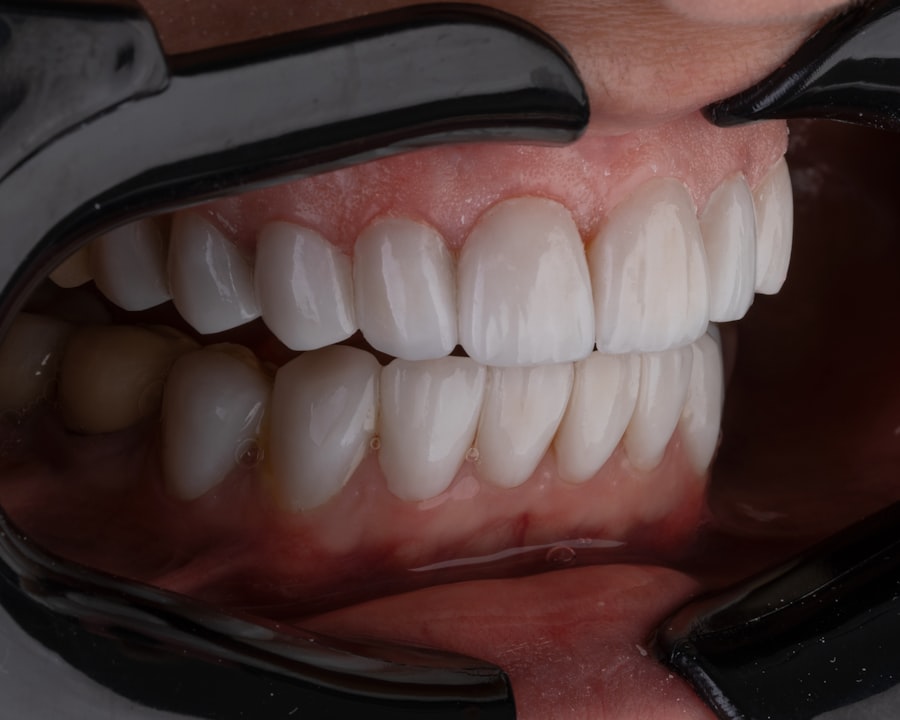
For those who may be hesitant about shaving their teeth for veneers, there are alternative options available that can achieve similar aesthetic results without significant enamel reduction. One such option is no-prep veneers, which are designed to be thinner than traditional veneers and require little to no tooth reduction. These veneers can often be placed directly over our existing teeth, preserving more of our natural enamel while still providing an enhanced appearance.
Another alternative is dental bonding, a procedure where a tooth-colored resin is applied directly to our teeth to improve their shape and color. This method is less invasive than shaving teeth for veneers and can be completed in a single visit to the dentist. While bonding may not provide the same level of durability as porcelain veneers, it can be an effective solution for minor imperfections or discoloration.
By exploring these alternatives with our dentist, we can make an informed decision that aligns with our comfort level and aesthetic goals.
Cost and Insurance Coverage for Veneers
The cost of veneers can vary significantly based on several factors, including the type of material used, the complexity of the case, and geographic location. On average, we can expect to pay anywhere from $800 to $2,500 per tooth for porcelain veneers. While this investment can seem daunting, many patients find that the long-term benefits—such as improved self-esteem and enhanced oral health—make it worthwhile.
When it comes to insurance coverage, it’s important for us to understand that most dental insurance plans do not cover cosmetic procedures like veneers. However, some plans may offer partial coverage if there are underlying dental issues that need addressing before placement. We should consult with our insurance provider and discuss financing options with our dentist’s office to explore ways to manage costs effectively.
Real-life Experiences and Testimonials from Patients who have undergone the Procedure
Hearing real-life experiences from patients who have undergone the shaving process for veneers can provide valuable insight into what we might expect. Many individuals report feeling an immediate boost in confidence after receiving their new smiles. They often describe how their self-esteem improved significantly, allowing them to engage more freely in social situations without feeling self-conscious about their teeth.
However, some patients also share their concerns regarding sensitivity following the procedure or adjustments needed during follow-up visits. These testimonials highlight the importance of open communication with our dentist throughout the process. By learning from others’ experiences, we can better prepare ourselves for both the positive outcomes and potential challenges associated with shaving teeth for veneers.
In conclusion, understanding the intricacies of shaving teeth for veneers is essential as we consider this transformative dental procedure. From selecting a qualified dentist to exploring alternative options and preparing for aftercare, each step plays a crucial role in achieving a successful outcome. By arming ourselves with knowledge and insights from others’ experiences, we can embark on this journey toward a brighter smile with confidence and clarity.
When considering veneers, it’s essential to understand the process of shaving teeth to ensure a proper fit and aesthetic appeal. For more information on how dental procedures can enhance your smile, you can read about dental crowns and bridges in this informative article: Dental Crowns and Bridges in Miami Beach.
FAQs
What does shaving teeth for veneers involve?
Shaving teeth for veneers, also known as tooth preparation, involves removing a thin layer of the tooth’s enamel to create space for the veneer. This process ensures that the veneer fits properly and looks natural.
Is shaving teeth for veneers painful?
The procedure is generally not painful because only a small amount of enamel is removed. Dentists often use local anesthesia to minimize any discomfort during the process.
How much enamel is typically removed when shaving teeth for veneers?
Usually, about 0.3 to 0.7 millimeters of enamel is removed, which is roughly the thickness of the veneer itself. The exact amount depends on the type of veneer and the condition of the tooth.
Can teeth be shaved for veneers without causing damage?
Yes, when performed by a skilled dentist, shaving teeth for veneers is safe and does not harm the tooth structure. The enamel removal is minimal and designed to preserve tooth health.
Are there alternatives to shaving teeth for veneers?
Yes, some types of veneers, such as no-prep or minimal-prep veneers, require little to no enamel removal. However, these options may not be suitable for all patients depending on their dental needs.
How long does the shaving process take?
The shaving or tooth preparation process typically takes about 30 to 60 minutes, depending on the number of teeth being treated and the complexity of the case.
Will shaving teeth for veneers affect tooth sensitivity?
Some patients may experience temporary sensitivity after enamel removal, but this usually subsides within a few days. Dentists can recommend treatments to manage sensitivity if needed.
Is the enamel removal reversible?
No, enamel removal is permanent because enamel does not regenerate. This is why veneers are considered a long-term dental treatment.
What happens after the teeth are shaved for veneers?
After shaving, the dentist takes impressions of the teeth to create custom veneers. Temporary veneers may be placed while the permanent ones are being fabricated.
How long do veneers last after teeth are shaved?
With proper care, veneers can last between 10 to 15 years or longer. Regular dental check-ups and good oral hygiene help maintain their longevity.