

Dental veneers are thin shells constructed from porcelain or composite resin materials that are fabricated to fit the front surface of teeth. These restorative devices address multiple dental conditions including tooth discoloration, chips, gaps between teeth, and minor misalignment issues. The veneer procedure extends beyond cosmetic enhancement and requires ongoing commitment to proper oral hygiene maintenance.
The veneer placement process consists of multiple sequential steps designed to achieve both aesthetic and functional results. Patients undergo an initial consultation with a dental professional to establish treatment objectives and discuss expected outcomes. Realistic expectations regarding veneer capabilities are essential for patient satisfaction.
Pre-treatment evaluation includes assessment of current oral hygiene practices and identification of any existing dental conditions that require resolution prior to veneer placement. Comprehensive understanding of these factors enables informed treatment decisions and contributes to successful treatment outcomes.
Key Takeaways
- Veneers require enamel removal and precise impressions for a natural fit.
- Initial consultation is crucial to evaluate dental health and set realistic goals.
- Temporary veneers protect teeth while waiting for the final ones to be made.
- Proper aftercare is essential to maintain the appearance and longevity of veneers.
- Be aware of potential risks, but enjoy long-term benefits like improved aesthetics and durability.
Initial Consultation: Assessing Your Dental Health and Discussing Your Goals
During our initial consultation, we have the opportunity to assess our dental health comprehensively. Our dentist will conduct a thorough examination of our teeth and gums, looking for any signs of decay, gum disease, or other issues that could affect the veneer process. This assessment is crucial because it ensures that we are in good health before undergoing any cosmetic procedures.
If any problems are identified, our dentist may recommend treatments to address these issues before moving forward with veneers. In addition to evaluating our dental health, this consultation is the perfect time for us to articulate our goals. We can discuss what we hope to achieve with veneers, whether it’s a brighter smile, improved symmetry, or a more youthful appearance.
Our dentist can provide valuable insights into what is feasible based on our unique dental structure and needs. By openly communicating our desires and concerns, we can work together with our dentist to create a personalized treatment plan that aligns with our vision for our smile.
Preparing the Teeth: Removing a Thin Layer of Enamel and Taking Impressions
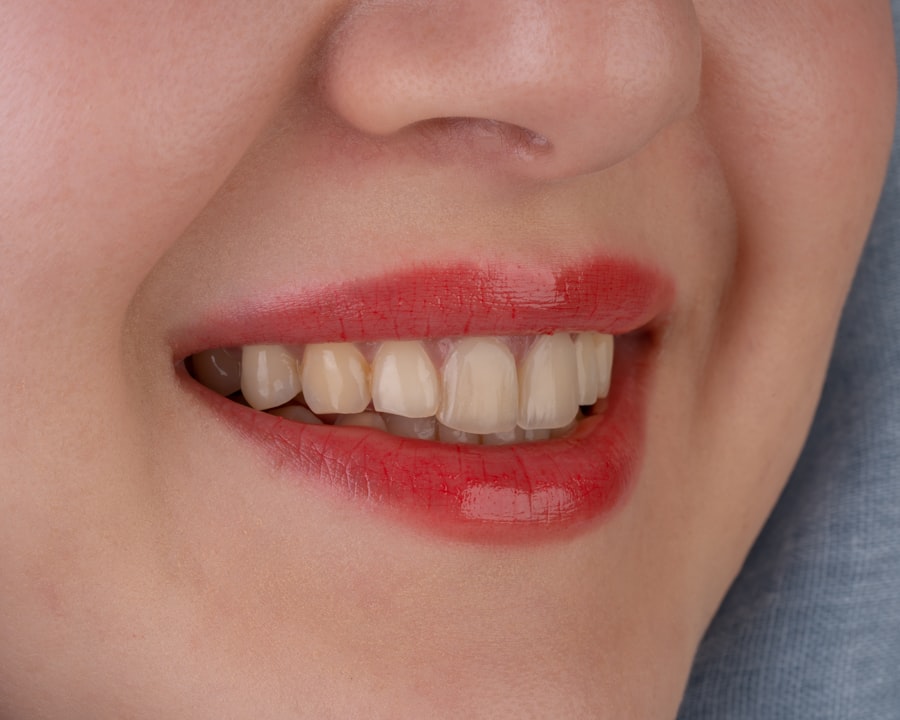
Once we have decided to proceed with veneers, the next step involves preparing our teeth. This preparation is a critical phase in the process, as it involves removing a thin layer of enamel from the front surface of our teeth. While this may sound daunting, it is necessary to ensure that the veneers fit properly and look natural.
Our dentist will use specialized tools to carefully remove just enough enamel to accommodate the thickness of the veneers without compromising the integrity of our teeth. After the enamel has been removed, impressions of our teeth will be taken. These impressions serve as a mold for creating our custom veneers, ensuring that they fit perfectly over our prepared teeth.
Our dentist may use traditional impression materials or digital scanning technology to capture the precise shape and contours of our teeth. This step is vital because it allows for a tailored approach, resulting in veneers that not only enhance our smile but also feel comfortable and natural in our mouths.
Temporary Veneers: What to Expect During the Waiting Period
While we await the arrival of our custom veneers, we will be fitted with temporary veneers. These temporary solutions are designed to protect our prepared teeth and provide us with a preview of what our final smile will look like. Although they are not as durable or aesthetically pleasing as permanent veneers, they serve an important purpose during this waiting period.
We should expect some adjustments as we get used to wearing temporary veneers. They may feel slightly bulkier than what we anticipate for our final veneers, and it might take some time for us to adapt to speaking and eating with them in place. However, this period also allows us to assess how we feel about the shape and color of our temporary veneers.
If any concerns arise, we can communicate them to our dentist, who can make necessary adjustments before the final placement.
Final Veneer Placement: Ensuring a Perfect Fit and Natural Look
| Metric | Typical Range | Details |
|---|---|---|
| Tooth Reduction Depth | 0.3 – 0.7 mm | Amount of enamel removed to accommodate veneer thickness |
| Number of Teeth Prepped | 1 – 8 teeth | Depends on patient’s smile design and treatment plan |
| Preparation Time | 30 – 90 minutes | Time required to prepare teeth for veneers in one session |
| Impression Taking Time | 10 – 20 minutes | Time to take dental impressions after tooth preparation |
| Temporary Veneer Placement | Yes/No | Often placed to protect prepared teeth until permanent veneers are ready |
| Enamel Preservation | 70% – 90% | Percentage of enamel typically preserved during preparation |
| Post-Prep Sensitivity | Low to Moderate | Common but usually temporary sensitivity after tooth preparation |
The day has finally arrived for the placement of our permanent veneers! This step is often met with excitement as we anticipate seeing the transformation of our smile. Our dentist will begin by carefully removing the temporary veneers and cleaning our teeth to prepare for the final placement.
It’s essential that this process is done meticulously to ensure that no debris or residue interferes with the bonding process. Once our teeth are prepped, our dentist will check the fit and appearance of each veneer before permanently bonding them in place. This step is crucial because it allows us to see how they look in our mouth and make any last-minute adjustments if necessary.
The bonding process involves applying a special adhesive that securely attaches each veneer to our teeth. After they are in place, a curing light is used to harden the adhesive, ensuring a strong bond that will last for years to come. Finally, we can admire our new smile in the mirror—a moment that often brings joy and satisfaction.
Aftercare and Maintenance: Tips for Keeping Your Veneers in Great Shape
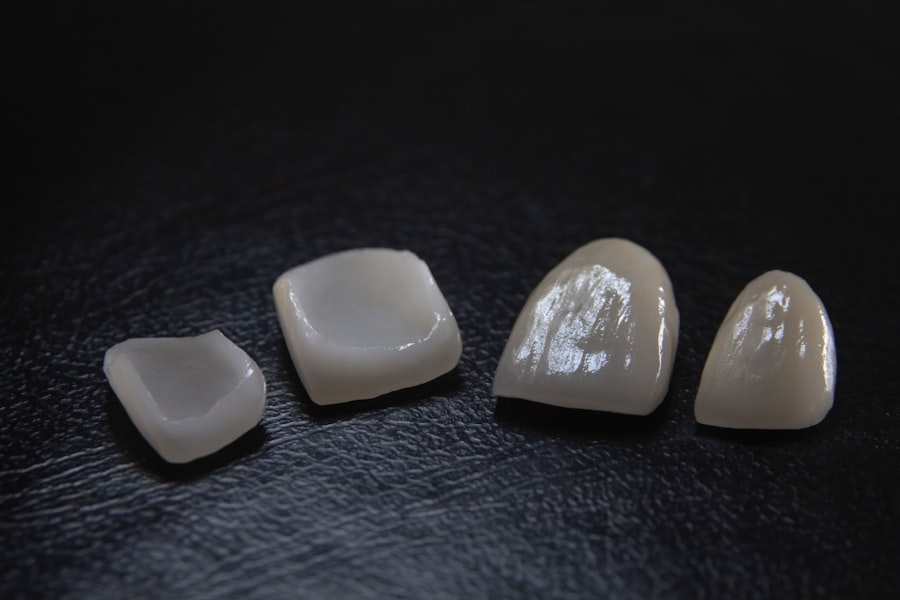
After receiving our new veneers, it’s important for us to adopt a proper aftercare routine to maintain their appearance and longevity. While veneers are designed to be durable, they still require care similar to that of natural teeth. We should continue practicing good oral hygiene by brushing twice a day and flossing daily.
Using a non-abrasive toothpaste is also recommended, as abrasive products can scratch the surface of the veneers over time. Regular dental check-ups are essential as well. Our dentist will monitor the condition of our veneers and overall oral health during these visits.
Additionally, we should be mindful of certain habits that could damage our veneers, such as biting down on hard objects or using our teeth as tools. By being proactive about their care and maintenance, we can enjoy the beauty of our veneers for many years while keeping them in great shape.
Potential Risks and Complications: Understanding the Possible Downsides
While veneers offer numerous benefits, it’s important for us to be aware of potential risks and complications associated with the procedure. One common concern is tooth sensitivity following veneer placement. Some individuals may experience heightened sensitivity to hot or cold temperatures due to the removal of enamel during preparation.
This sensitivity often subsides over time but can be uncomfortable in the interim. Another consideration is that veneers are not indestructible; they can chip or crack if subjected to excessive force or trauma. It’s crucial for us to be cautious about activities that could put undue stress on our teeth.
Additionally, if we have underlying dental issues such as gum disease or tooth decay, these conditions must be addressed prior to veneer placement to avoid complications down the line. By understanding these potential downsides, we can make informed decisions and take steps to mitigate risks.
Long-Term Benefits: Enjoying the Beauty and Durability of Your New Veneers
Despite the potential risks associated with veneers, many individuals find that the long-term benefits far outweigh any concerns. One of the most significant advantages is the immediate boost in confidence that comes from having a beautiful smile. With their ability to mask imperfections and enhance overall appearance, veneers can transform not only how we look but also how we feel about ourselves.
In addition to their aesthetic appeal, veneers are known for their durability when properly cared for. They can last anywhere from 10 to 15 years or even longer with good maintenance practices.
In conclusion, embarking on the journey toward getting veneers involves several important steps that require careful consideration and planning. From understanding the veneer process and assessing our dental health during consultations to enjoying the long-term benefits of a beautiful smile, each phase plays a vital role in achieving successful outcomes.
By staying informed and proactive throughout this journey, we can ensure that our experience with veneers is both rewarding and fulfilling.
When considering veneers, it’s essential to understand the preparation process for your teeth to ensure optimal results. Proper prepping can significantly impact the longevity and appearance of your veneers. For more insights on dental procedures that can affect your overall oral health, you might find this article on the relationship between dental implants and bone health particularly informative. It highlights how foundational dental health can influence various cosmetic treatments, including veneers.
FAQs
What does prepping teeth for veneers involve?
Prepping teeth for veneers typically involves removing a small amount of the tooth enamel to create space for the veneer. This process ensures a proper fit and natural appearance of the veneer on the tooth surface.
Is the tooth preparation process painful?
Most patients experience minimal discomfort during tooth preparation for veneers. Dentists often use local anesthesia to numb the area, making the procedure comfortable.
How much enamel is removed during veneer preparation?
Usually, about 0.3 to 0.7 millimeters of enamel is removed from the front surface of the tooth. The exact amount depends on the type of veneer and the desired aesthetic outcome.
Can teeth be prepped for veneers without removing enamel?
In some cases, “no-prep” or minimal-prep veneers are an option, which require little to no enamel removal. However, this depends on individual dental conditions and the dentist’s recommendation.
How long does the tooth prepping process take?
The prepping process generally takes about 1 to 2 hours, depending on the number of teeth being treated and the complexity of the case.
Are prepped teeth sensitive after the procedure?
Some sensitivity to hot or cold may occur after enamel removal, but it usually subsides within a few days. Dentists may recommend desensitizing toothpaste or treatments if sensitivity persists.
Will prepping teeth for veneers weaken them?
When done properly, prepping teeth for veneers does not significantly weaken the teeth. The veneers provide an additional protective layer once bonded.
Is tooth prepping reversible?
Since enamel removal is permanent, tooth prepping for veneers is considered irreversible. It is important to discuss all options with a dentist before proceeding.
What happens after the teeth are prepped?
After prepping, impressions of the teeth are taken to create custom veneers. Temporary veneers may be placed while the permanent ones are being fabricated.
How long do veneers last after tooth preparation?
With proper care, veneers can last between 10 to 15 years or longer. Regular dental check-ups and good oral hygiene help maintain their longevity.