

Veneers are thin shells crafted from porcelain or composite resin, custom-designed to cover the front surface of teeth. They effectively correct various dental imperfections including chips, cracks, and discoloration, while also improving tooth shape and alignment. By bonding these shells to teeth, patients can achieve an enhanced aesthetic appearance that often leads to increased confidence.
The veneer application process involves several precise steps. Initially, the dentist conducts a comprehensive dental assessment and consultation to understand the patient’s treatment objectives. Upon proceeding, the dentist prepares the teeth by removing a minimal amount of enamel to accommodate the veneers properly.
Dental impressions are then taken to fabricate custom veneers that match the desired color and shape. Once manufactured, the veneers are permanently attached to the teeth using specialized dental adhesive, resulting in a natural-looking, improved smile.
Key Takeaways
- Veneers are thin shells bonded to teeth to improve appearance and function.
- Choosing an experienced dentist is crucial for successful veneer preparation and placement.
- Initial consultations evaluate dental health and help determine the best veneer options.
- Proper tooth preparation and temporary veneers ensure comfort and fit before final placement.
- Regular care and follow-up visits are essential to maintain veneers and ensure their longevity.
Finding the Right Dentist: Choosing a Professional for Veneer Preparation
Choosing the right dentist for our veneer procedure is crucial to achieving the best results. We should look for a professional who specializes in cosmetic dentistry and has extensive experience with veneers. A skilled dentist will not only understand the technical aspects of veneer application but will also have an eye for aesthetics, ensuring that our new smile looks natural and harmonious with our facial features.
To find the right dentist, we can start by seeking recommendations from friends or family who have undergone similar procedures. Online reviews and testimonials can also provide valuable insights into a dentist’s reputation and the quality of their work. Once we have a shortlist of potential candidates, we should schedule consultations to discuss our goals and assess their approach to cosmetic dentistry.
During these meetings, we can evaluate their communication style, professionalism, and willingness to answer our questions, which will help us feel more comfortable in making our decision.
Initial Consultation: Assessing Your Dental Health and Discussing Your Veneer Options
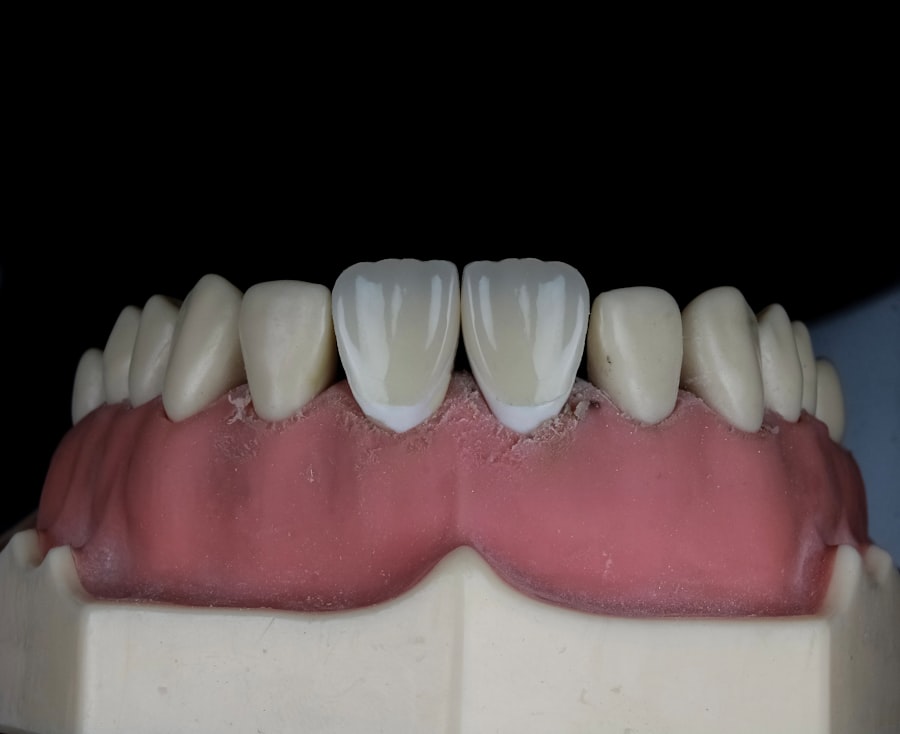
During our initial consultation, we will have the opportunity to discuss our dental health and explore the various veneer options available to us.
This assessment is essential, as it ensures that we are in good oral health and that veneers will be a suitable solution for us.
In addition to evaluating our dental health, this consultation is an excellent time for us to express our expectations and desires regarding our smile. Our dentist can provide insights into the different types of veneers available, such as porcelain or composite resin, and help us understand the pros and cons of each option. By discussing factors like durability, cost, and appearance, we can make an informed decision that aligns with our goals and budget.
Preparing Your Teeth: Steps for Preparing the Surface for Veneers
Once we have decided to move forward with veneers, the next step involves preparing our teeth for the procedure. This preparation is critical to ensure that the veneers adhere properly and look natural once applied. Our dentist will begin by numbing the area around the teeth to minimize any discomfort during the process.
After ensuring we are comfortable, they will carefully remove a thin layer of enamel from the front surface of our teeth. This step is essential because it creates space for the veneers and helps them blend seamlessly with our natural teeth. After the enamel is removed, our dentist will take impressions of our teeth to create custom veneers that fit perfectly.
These impressions can be made using traditional molds or digital scanning technology, depending on the practice’s capabilities. Once the impressions are taken, we may receive temporary veneers to wear while waiting for our custom ones to be fabricated. This temporary solution allows us to maintain an attractive smile during the waiting period while ensuring that we feel confident in social situations.
Temporary Veneers: What to Expect During the Waiting Period
| Metric | Typical Range | Details |
|---|---|---|
| Tooth Reduction Depth | 0.3 – 0.7 mm | Amount of enamel removed to accommodate veneer thickness |
| Number of Teeth Prepped | 1 – 8 teeth | Depends on patient’s smile design and treatment plan |
| Preparation Time | 30 – 90 minutes | Time required to prep teeth before impression taking |
| Impression Accuracy | Microns (10-50 µm) | Precision needed for proper veneer fit |
| Temporary Veneer Duration | 1 – 2 weeks | Time temporaries are worn while lab fabricates final veneers |
| Bond Strength | 20 – 30 MPa | Adhesive strength between veneer and tooth surface |
| Enamel Preservation | 70% – 90% | Percentage of enamel preserved after preparation |
While waiting for our custom veneers to be completed, we will typically wear temporary veneers that provide a preview of our new smile. These temporary solutions are designed to protect our prepared teeth while also giving us an idea of how the final result will look. Although they may not be as durable or aesthetically pleasing as the permanent veneers, they serve an important purpose in maintaining our confidence during this transitional phase.
During this waiting period, it’s essential for us to take extra care of our temporary veneers. We should avoid hard or sticky foods that could dislodge them and practice good oral hygiene by brushing gently around them. Our dentist will provide specific instructions on how to care for these temporary veneers, which may include recommendations on what foods to avoid and how to clean them effectively.
By following these guidelines, we can ensure that our temporary veneers remain intact until we receive our final restorations.
Final Fitting: Ensuring the Veneers Fit Perfectly and Making Any Necessary Adjustments
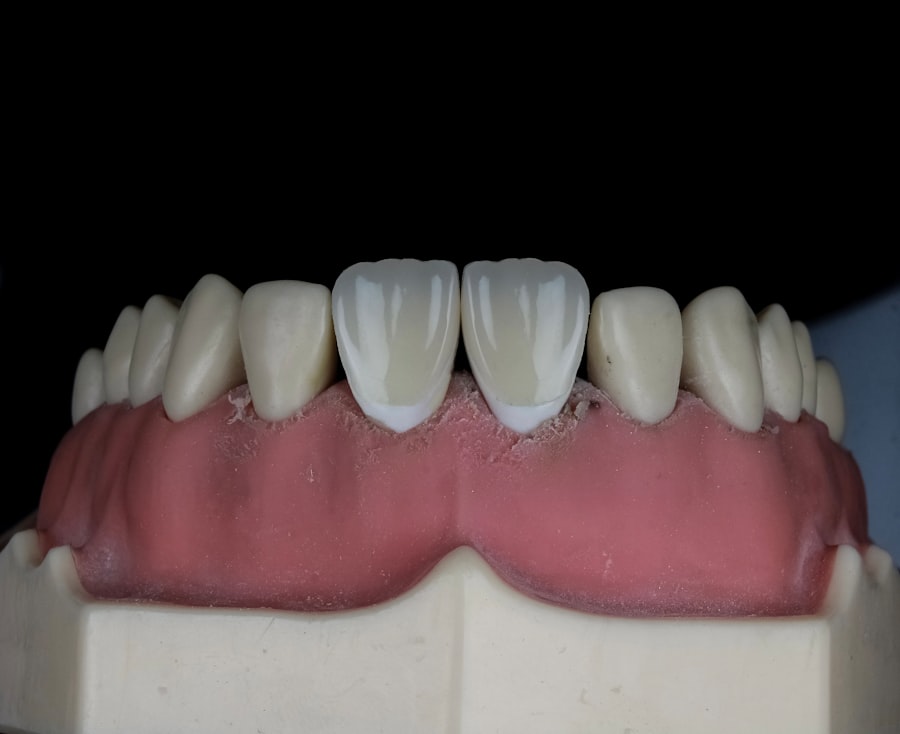
Once our custom veneers are ready, we will return to the dental office for the final fitting. This appointment is crucial as it allows us to see how the veneers look on our teeth before they are permanently bonded. Our dentist will carefully place each veneer on its corresponding tooth and assess their fit, color, and overall appearance.
This step is vital because it gives us an opportunity to voice any concerns or preferences regarding adjustments before the bonding process begins. If any adjustments are needed—whether it’s slight reshaping or color modifications—our dentist can make those changes at this stage. We should feel empowered to communicate openly about how we feel regarding the fit and appearance of the veneers.
Once we are satisfied with how they look, our dentist will proceed with bonding them permanently using a special adhesive that ensures durability and longevity.
Caring for Your Veneers: Tips for Maintaining Your New Smile
After receiving our new veneers, it’s essential for us to adopt a proper care routine to maintain their appearance and longevity. While veneers are designed to be durable, they still require some attention to keep them looking their best. We should continue practicing good oral hygiene by brushing twice a day with a non-abrasive toothpaste and flossing daily to prevent plaque buildup around the edges of the veneers.
In addition to regular brushing and flossing, we should also be mindful of our dietary choices. Avoiding hard foods that could chip or crack the veneers is crucial; this includes items like ice or hard candies. Additionally, limiting staining beverages such as coffee, tea, or red wine can help preserve the color of our veneers over time.
Regular dental check-ups are also important as they allow our dentist to monitor the condition of our veneers and address any concerns promptly.
Follow-Up Appointments: Monitoring the Health and Longevity of Your Veneers
Follow-up appointments play a significant role in ensuring that our veneers remain in optimal condition over time. During these visits, our dentist will examine both our natural teeth and the veneers themselves for any signs of wear or damage. They may also perform professional cleanings to remove any buildup that could affect the appearance of our smile.
These appointments provide us with an opportunity to discuss any concerns we may have regarding our veneers or overall dental health. If we notice any changes in how they feel or look, it’s essential to communicate this with our dentist so they can address any issues early on. By staying proactive about our dental care and attending regular follow-ups, we can enjoy a beautiful smile with veneers that last for many years to come.
In conclusion, understanding the process of getting veneers—from initial consultation through follow-up appointments—can help us make informed decisions about enhancing our smiles. By choosing a qualified dentist and following proper care guidelines, we can achieve stunning results that boost our confidence and improve our overall dental health.
When considering veneers, it’s essential to understand the preparation process for your teeth to ensure the best results. Properly prepping your teeth can significantly enhance the longevity and appearance of your veneers. For more insights into the advantages of cosmetic dentistry, which includes procedures like veneers, you can read this informative article on the { lazyloadBackgroundObserver.observe( lazyloadBackground ); } ); }; const events = [ 'DOMContentLoaded', 'elementor/lazyload/observe', ]; events.forEach( ( event ) => { document.addEventListener( event, lazyloadRunObserver ); } );