
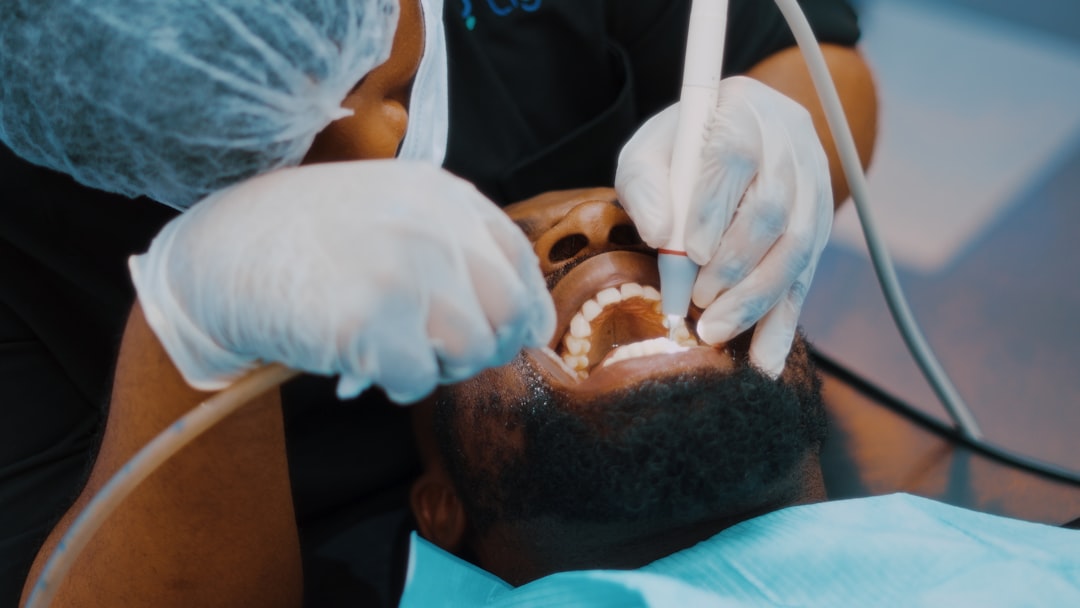
Teeth discoloration is a common concern affecting many individuals throughout their lives. It ranges from mild yellowing to significant stains that may impact confidence and self-esteem. The causes of teeth discoloration are diverse, including lifestyle choices, dietary habits, and genetic factors.
Regular consumption of beverages such as coffee, tea, and red wine can cause staining over time. Smoking and tobacco use significantly contribute to tooth yellowing. Certain medications and medical conditions also affect tooth appearance.
Antibiotics like tetracycline can cause discoloration when administered during tooth development in childhood. Age is another unavoidable factor; as enamel naturally thins with age, it reveals the darker dentin underneath. Understanding these various causes highlights the importance of proper oral hygiene and consideration of appropriate teeth whitening options when needed.
Key Takeaways
- Teeth discoloration can result from various factors including diet, aging, and habits like smoking.
- Teeth whitening offers benefits such as improved appearance and boosted confidence.
- Whitening options range from professional treatments to at-home kits with varying effectiveness.
- Professional whitening involves a controlled process for safer and more noticeable results.
- Maintaining a bright smile requires good oral hygiene and regular dental consultations.
Benefits of Teeth Whitening
The benefits of teeth whitening extend beyond mere aesthetics; they can significantly enhance our overall quality of life. A brighter smile often translates to increased self-confidence, allowing us to engage more freely in social situations and express ourselves without hesitation. When we feel good about our appearance, it can positively impact our interactions with others, whether in personal relationships or professional settings.
A radiant smile can serve as a powerful first impression, making us appear more approachable and friendly. Additionally, teeth whitening can motivate us to adopt healthier oral hygiene practices. Once we invest time and resources into achieving a brighter smile, we are more likely to maintain it through regular brushing, flossing, and dental check-ups.
This commitment to oral health not only preserves the results of our whitening efforts but also contributes to our overall well-being. In essence, the journey toward a whiter smile can lead to a more conscientious approach to dental care, fostering habits that benefit us in the long run.
Different Teeth Whitening Options
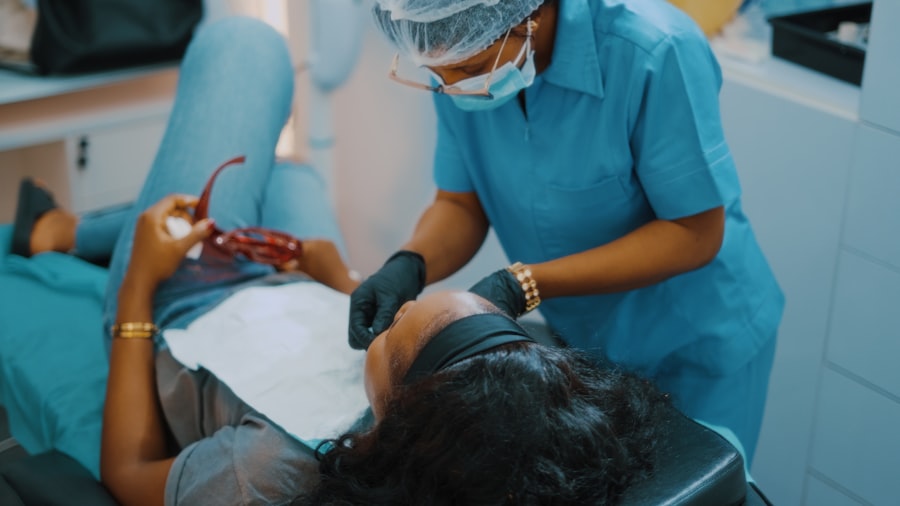
When it comes to teeth whitening, we are presented with a variety of options that cater to different preferences and needs. Over-the-counter products such as whitening toothpaste, strips, and gels are widely available and offer a convenient solution for those looking to brighten their smiles at home. These products typically contain mild abrasives or bleaching agents that can help remove surface stains and lighten the color of our teeth over time.
While they may not provide dramatic results, they can be an effective starting point for many individuals. On the other hand, professional teeth whitening treatments offered by dentists tend to yield more significant and immediate results. These procedures often involve stronger bleaching agents and specialized techniques that can address deeper stains and discoloration.
As we explore these options, it’s essential to consider factors such as cost, convenience, and desired outcomes to determine which method aligns best with our goals.
The Process of Professional Teeth Whitening
The process of professional teeth whitening is designed to be both effective and efficient, ensuring that we achieve optimal results in a safe environment. Initially, we would schedule a consultation with our dentist to discuss our specific concerns and expectations. During this appointment, the dentist will assess the condition of our teeth and recommend the most suitable whitening method based on our individual needs.
This personalized approach ensures that we receive tailored care that addresses our unique situation. Once we decide to proceed with the treatment, the actual whitening process typically begins with a thorough cleaning of our teeth to remove any plaque or debris. This step is crucial as it allows the whitening agent to penetrate effectively and deliver the best results.
After cleaning, a protective barrier is applied to our gums to prevent irritation from the bleaching agent. The dentist then applies the whitening solution directly onto our teeth, often using a special light or laser to enhance its effectiveness. The entire procedure usually takes about an hour, after which we can leave the office with a noticeably brighter smile.
At-Home Teeth Whitening Kits
| Metric | Value | Details |
|---|---|---|
| Average Whitening Duration | 30-60 minutes | In-office treatment session length |
| Number of Sessions | 1-3 | Depends on desired shade and method |
| Whitening Effectiveness | Up to 8 shades lighter | Measured by shade guide comparison |
| Longevity of Results | 6 months to 2 years | Varies with lifestyle and maintenance |
| Common Whitening Agents | Hydrogen Peroxide, Carbamide Peroxide | Concentration varies by product |
| Sensitivity Incidence | 30-50% | Temporary tooth sensitivity post-treatment |
| Cost Range | Varies widely | Dependent on treatment type and location |
| Patient Satisfaction Rate | 85-95% | Based on post-treatment surveys |
At-home teeth whitening kits have gained popularity for their convenience and affordability. These kits often include custom-fitted trays or strips that we can use in the comfort of our own homes. The process typically involves applying a bleaching gel to the trays or strips and wearing them for a specified period each day over several weeks.
While these kits may not provide results as dramatic as professional treatments, they can still effectively lighten our teeth and improve their appearance. One of the significant advantages of at-home kits is their flexibility; we can incorporate them into our daily routines without needing to schedule appointments at the dentist’s office. However, it’s essential for us to follow the instructions carefully to avoid overuse or misuse of the products.
Additionally, we should be aware that results may vary based on individual factors such as the severity of discoloration and adherence to the treatment regimen. Ultimately, at-home whitening kits can be an excellent option for those seeking gradual improvement in their smile.
Risks and Side Effects of Teeth Whitening
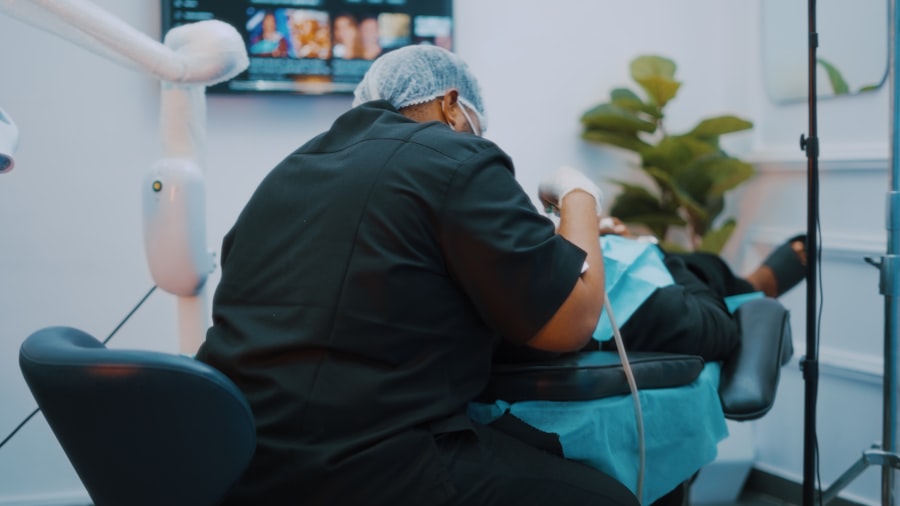
While teeth whitening is generally considered safe, it is not without its risks and potential side effects. One common issue that many individuals experience is tooth sensitivity following treatment. This sensitivity can occur due to the bleaching agents penetrating the enamel and affecting the nerves within our teeth.
For some of us, this discomfort may be temporary and subside shortly after treatment; however, others may find it more prolonged or bothersome. Another concern is gum irritation, which can arise if the whitening agent comes into contact with soft tissues during application. This irritation may manifest as redness or discomfort but typically resolves on its own within a few days.
To minimize these risks, it’s crucial for us to consult with a dental professional before undergoing any whitening treatment. They can provide guidance on the most suitable options for our specific dental health and help us navigate any potential side effects effectively.
Maintaining a Bright Smile
Once we achieve our desired level of whiteness through either professional or at-home treatments, maintaining that bright smile becomes essential. One of the most effective ways to preserve our results is by adopting good oral hygiene practices. Regular brushing with fluoride toothpaste and daily flossing help remove plaque buildup and prevent new stains from forming.
Additionally, we should consider using a whitening toothpaste periodically to help maintain brightness between treatments. Our dietary choices also play a significant role in how long our smiles stay bright. Limiting consumption of stain-causing foods and beverages—such as coffee, tea, red wine, and dark berries—can help prevent discoloration from returning too quickly.
Regular dental check-ups are equally important; professional cleanings can remove surface stains and keep our smiles looking their best.
Consultation with a Cosmetic Dentist
Before embarking on any teeth whitening journey, consulting with a cosmetic dentist is a crucial step that we should not overlook. A qualified dentist can assess our dental health comprehensively and recommend the most appropriate whitening options tailored to our needs. During this consultation, we have the opportunity to discuss any concerns or questions we may have regarding the process, potential risks, and expected outcomes.
Furthermore, a cosmetic dentist can provide insights into maintaining our results long-term and suggest additional treatments if necessary. Their expertise ensures that we make informed decisions about our oral health while achieving the bright smile we desire safely and effectively. By prioritizing this consultation, we set ourselves up for success on our journey toward a more radiant smile that boosts our confidence and enhances our overall well-being.
If you’re considering enhancing your smile through cosmetic dentistry, teeth whitening is a popular option that can significantly improve the appearance of your teeth. For those interested in exploring other cosmetic solutions, you might find the article on veneers particularly insightful. It discusses whether veneers are worth the investment and how they compare to other treatments. You can read more about it in this article: Are Veneers Worth It?.
FAQs
What is cosmetic dentistry teeth whitening?
Cosmetic dentistry teeth whitening is a dental procedure aimed at lightening the color of teeth to improve their appearance. It involves the use of bleaching agents to remove stains and discoloration from the tooth surface.
How does teeth whitening work?
Teeth whitening works by applying a bleaching agent, usually containing hydrogen peroxide or carbamide peroxide, to the teeth. These agents penetrate the enamel and break down stains into smaller molecules, making the teeth appear whiter.
Are teeth whitening treatments safe?
When performed under the supervision of a dental professional, teeth whitening treatments are generally safe. However, overuse or improper application can lead to tooth sensitivity or gum irritation.
How long do teeth whitening results last?
The duration of teeth whitening results varies depending on individual habits such as diet, oral hygiene, and smoking. Typically, results can last from six months to two years before a touch-up may be needed.
Can all teeth be whitened?
Most natural teeth can be whitened, but teeth with restorations like crowns, veneers, or fillings may not respond to whitening agents. Additionally, intrinsic stains caused by certain medications or trauma may be resistant to whitening.
What are the common methods of teeth whitening?
Common methods include in-office professional whitening, at-home whitening kits provided by dentists, and over-the-counter whitening products like strips and gels.
Is teeth whitening painful?
Some people may experience temporary tooth sensitivity or gum irritation during or after whitening treatments, but these symptoms usually subside shortly after the procedure.
Who is a good candidate for teeth whitening?
Good candidates are individuals with healthy teeth and gums who have extrinsic stains caused by food, drinks, or smoking. Those with dental restorations or certain dental conditions should consult a dentist before whitening.
How much does teeth whitening cost?
The cost varies depending on the method used and geographic location. Professional in-office whitening tends to be more expensive than at-home or over-the-counter options.
Can teeth whitening damage enamel?
When used as directed and under professional supervision, teeth whitening does not damage tooth enamel. Overuse or misuse of whitening products, however, can potentially harm enamel and increase sensitivity.