
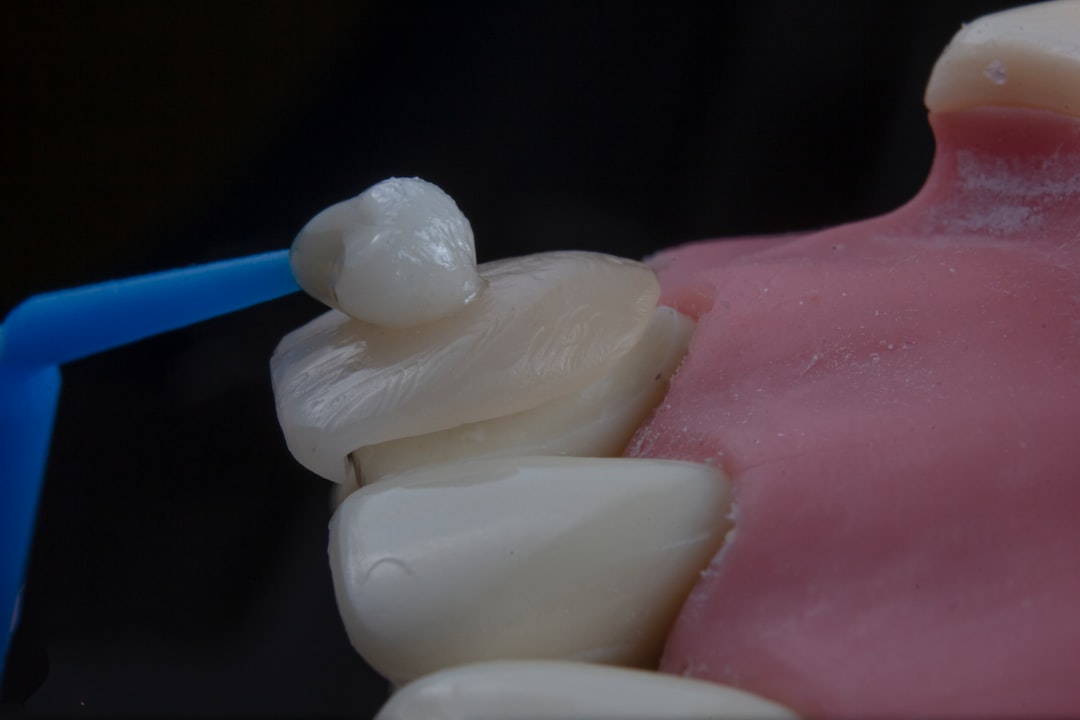
Veneers are thin shells made from porcelain or composite resin that are custom-designed to cover the front surface of teeth. They serve both aesthetic and functional purposes, enhancing smiles while protecting teeth from damage. The application process involves bonding veneers to teeth, effectively masking imperfections such as discoloration, chips, or gaps.
This creates a more uniform and appealing appearance, making veneers a popular choice for cosmetic dental improvements. Veneers are meticulously crafted to match the color, shape, and size of natural teeth, ensuring a seamless blend with existing dental structure. Once bonded, they become a permanent fixture, providing durability and resistance to staining.
This allows patients to maintain a bright smile without the concern of discoloration that often accompanies other dental treatments. Veneers not only enhance appearance but can also increase confidence in one’s smile.
Key Takeaways
- Veneers are thin shells bonded to teeth to improve appearance by shaving a small amount of enamel.
- The veneer shaving process involves precise enamel removal to fit the veneer properly.
- Benefits include enhanced smile aesthetics, durability, and stain resistance.
- Ideal candidates have healthy teeth and seek cosmetic improvements without major dental issues.
- Proper aftercare and choosing a qualified dentist are crucial to minimize risks and ensure long-lasting results.
The Process of Veneer Shaving Teeth
The process of veneer shaving teeth is a crucial step in preparing for the application of veneers. Initially, we consult with our dentist to discuss our goals and expectations. During this consultation, our dentist will evaluate our oral health and determine if veneers are the right solution for us.
If we decide to proceed, the next step involves shaving or buffing a small amount of enamel from the front surface of our teeth. This is done to create space for the veneers, ensuring they fit comfortably and look natural. The shaving process is typically painless and can be completed in a single visit.
Our dentist will use specialized tools to carefully remove a thin layer of enamel, which is usually about 0.5 millimeters thick. This minimal alteration allows for a snug fit without compromising the integrity of our teeth. After the enamel has been shaved, impressions of our teeth are taken to create custom veneers that match our unique dental structure.
Once the veneers are ready, we return to the dentist’s office for the final bonding procedure, where the veneers are securely attached to our teeth.
Benefits of Veneer Shaving Teeth
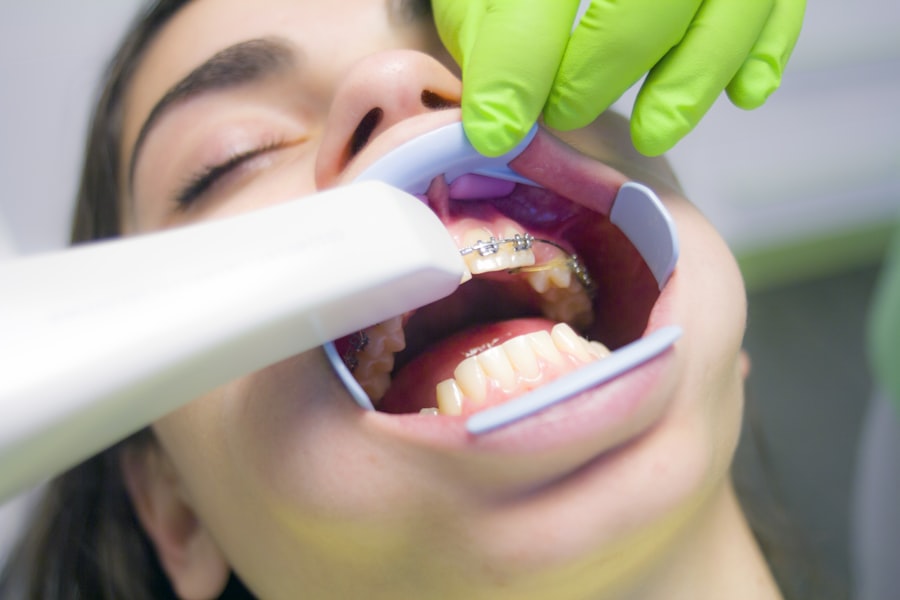
One of the most significant benefits of veneer shaving teeth is the immediate enhancement of our smile. By addressing issues such as discoloration, misalignment, or chips, we can achieve a more aesthetically pleasing appearance in a relatively short amount of time. The transformation can be dramatic, boosting our self-esteem and encouraging us to smile more freely.
Additionally, veneers are designed to be durable and long-lasting, often providing us with years of beautiful results with proper care. Another advantage is that veneer shaving is less invasive compared to other cosmetic procedures like crowns or bridges. Since only a minimal amount of enamel is removed, we retain more of our natural tooth structure.
This preservation is essential for maintaining overall dental health. Furthermore, veneers are stain-resistant, meaning we can enjoy our favorite foods and beverages without worrying about discoloration over time. This combination of aesthetic appeal and functional benefits makes veneer shaving an attractive option for many individuals seeking cosmetic dental solutions.
Who is a Good Candidate for Veneer Shaving Teeth?
Determining who is a good candidate for veneer shaving teeth involves several factors related to oral health and personal goals. Generally, individuals with minor cosmetic issues such as small chips, gaps between teeth, or slight misalignments are ideal candidates for veneers. Those who have healthy teeth and gums are also more likely to benefit from this procedure since it requires a solid foundation for the veneers to adhere properly.
Additionally, individuals who are committed to maintaining their oral hygiene and attending regular dental check-ups will find that they can enjoy the benefits of veneers for many years. However, not everyone is suitable for veneer shaving. Individuals with significant dental issues such as severe decay, gum disease, or extensive tooth damage may need to address these problems before considering veneers.
Moreover, those who grind their teeth or have a history of bruxism may not be ideal candidates since this can lead to premature wear on the veneers. Ultimately, a thorough consultation with a qualified dentist will help us determine if we are good candidates for this transformative procedure.
Potential Risks and Side Effects of Veneer Shaving Teeth
| Metric | Description | Typical Values | Notes |
|---|---|---|---|
| Amount of Enamel Removed | Thickness of enamel shaved off during veneer preparation | 0.3 – 0.7 mm | Depends on veneer type and tooth condition |
| Preparation Time | Duration of tooth shaving procedure | 15 – 30 minutes per tooth | Varies with dentist experience and tooth complexity |
| Surface Roughness | Roughness of tooth surface after shaving (Ra) | 0.5 – 1.5 µm | Affects veneer bonding strength |
| Bond Strength | Adhesion strength between tooth and veneer | 20 – 30 MPa | Higher values indicate better retention |
| Post-Shaving Sensitivity | Incidence of tooth sensitivity after shaving | 10% – 30% of patients | Usually temporary and manageable |
| Veneer Thickness | Thickness of the applied veneer | 0.3 – 1.0 mm | Thinner veneers require less shaving |
While veneer shaving teeth offers numerous benefits, it is essential to be aware of potential risks and side effects associated with the procedure. One concern is tooth sensitivity following the removal of enamel. Since enamel serves as a protective layer for our teeth, its removal can lead to increased sensitivity to hot or cold temperatures.
Another risk involves the possibility of improper fitting or alignment of the veneers. If not crafted or applied correctly, veneers may appear bulky or unnatural, detracting from the overall aesthetic we desire.
Additionally, there is a chance that the bonding material used to attach the veneers may weaken over time, leading to detachment or damage. Regular dental check-ups and proper care can mitigate these risks, ensuring that we maintain both the appearance and functionality of our veneers.
Aftercare and Maintenance of Veneer Shaved Teeth
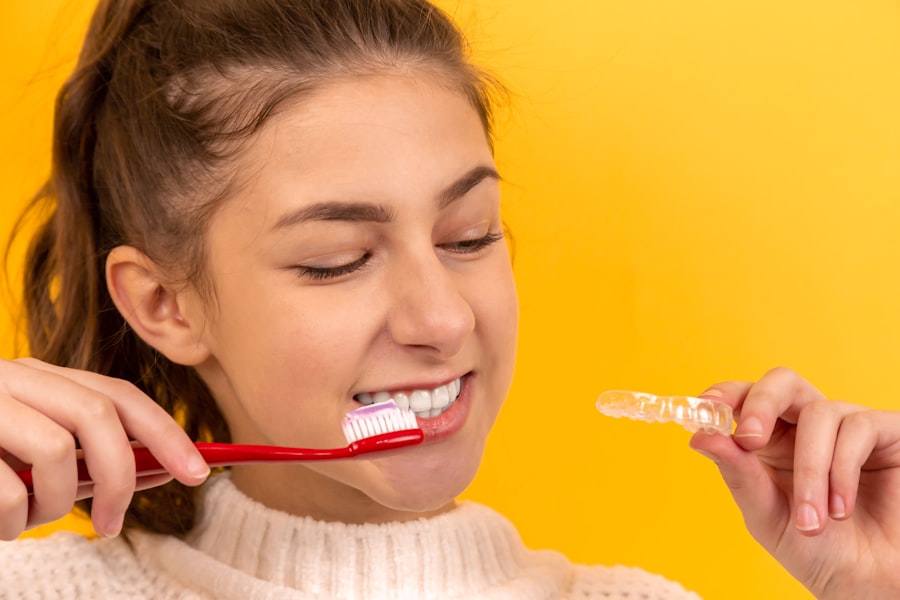
After undergoing veneer shaving teeth, proper aftercare and maintenance are crucial for ensuring the longevity and appearance of our new smile. One of the most important aspects of aftercare is maintaining excellent oral hygiene practices. We should continue brushing twice daily and flossing regularly to prevent plaque buildup around the edges of the veneers.
Using a non-abrasive toothpaste is also recommended to avoid scratching the surface of the porcelain or composite material. In addition to daily care, we should schedule regular dental check-ups to monitor the condition of our veneers and overall oral health. Our dentist can assess any potential issues early on and provide guidance on how to care for our veneers effectively.
It’s also wise to avoid habits that could damage our veneers, such as biting on hard objects or using our teeth as tools.
Comparing Veneer Shaving Teeth to Other Cosmetic Dental Procedures
When considering cosmetic dental options, it’s essential to compare veneer shaving teeth with other procedures available in dentistry today. One common alternative is teeth whitening, which addresses discoloration but does not correct structural issues like chips or gaps. While whitening can enhance our smile’s brightness, it may not provide the comprehensive solution that veneers offer for those with multiple cosmetic concerns.
Another alternative is dental crowns, which cover an entire tooth rather than just its front surface. Crowns are typically used for more extensive damage or decay but involve more significant alteration of the tooth structure compared to veneers. While crowns can provide strength and protection, they may not deliver the same aesthetic results as veneers when it comes to achieving a flawless smile.
Ultimately, each option has its advantages and disadvantages; thus, consulting with a qualified dentist will help us make an informed decision based on our specific needs and goals.
Finding a Qualified Dentist for Veneer Shaving Teeth
Finding a qualified dentist for veneer shaving teeth is crucial for ensuring a successful outcome and maintaining our oral health throughout the process. We should start by seeking recommendations from friends or family members who have undergone similar procedures or by researching online reviews from previous patients. A dentist with extensive experience in cosmetic dentistry will have a portfolio showcasing their work, allowing us to assess their skills and aesthetic sensibilities.
During our initial consultation, we should feel comfortable discussing our goals and concerns with the dentist. A good practitioner will take the time to explain the procedure thoroughly and answer any questions we may have about veneer shaving teeth. Additionally, we should inquire about their training and certifications in cosmetic dentistry to ensure they possess the necessary qualifications for this specialized field.
By taking these steps, we can find a qualified dentist who will help us achieve the beautiful smile we desire while prioritizing our overall dental health.
Veneer shaving teeth is a popular cosmetic dental procedure that can enhance the appearance of your smile. If you’re considering options for improving your dental aesthetics, you might also be interested in learning about how dental implants can help with missing teeth. For more information, check out this related article on missing teeth and dental implants.
FAQs
What is veneer shaving in dentistry?
Veneer shaving is a dental procedure that involves removing a thin layer of enamel from the front surface of a tooth to prepare it for the placement of a veneer. This process ensures the veneer fits properly and looks natural.
Why is veneer shaving necessary?
Veneer shaving is necessary to create space for the veneer so that it does not add bulk to the tooth. It also helps the veneer adhere better to the tooth surface, providing a more secure and long-lasting bond.
Is veneer shaving painful?
Veneer shaving is generally not painful because it involves removing only a very thin layer of enamel. Dentists often use local anesthesia to minimize any discomfort during the procedure.
How much enamel is removed during veneer shaving?
Typically, only about 0.3 to 0.7 millimeters of enamel is removed during veneer shaving. This amount is minimal and usually does not affect the overall health or strength of the tooth.
Can veneer shaving damage the teeth?
When performed by a skilled dentist, veneer shaving is safe and does not damage the teeth. However, excessive enamel removal can lead to sensitivity or other issues, so it is important to have the procedure done professionally.
Are there alternatives to veneer shaving?
Yes, some types of veneers, such as no-prep or minimal-prep veneers, require little to no enamel removal. These options may be suitable for certain patients depending on their dental condition and aesthetic goals.
How long does the veneer shaving process take?
The veneer shaving process usually takes about 30 minutes to an hour, depending on the number of teeth being prepared and the complexity of the case.
What happens after veneer shaving?
After veneer shaving, impressions of the teeth are taken to create custom veneers. Temporary veneers may be placed while the permanent ones are being fabricated. Once ready, the permanent veneers are bonded to the teeth.
Will veneer shaving cause tooth sensitivity?
Some patients may experience mild tooth sensitivity after veneer shaving due to enamel removal. This sensitivity is usually temporary and subsides after the veneers are placed.
Is veneer shaving reversible?
Veneer shaving is generally considered irreversible because enamel does not regenerate. Therefore, once enamel is removed, the tooth will always require some form of restoration, such as veneers.