
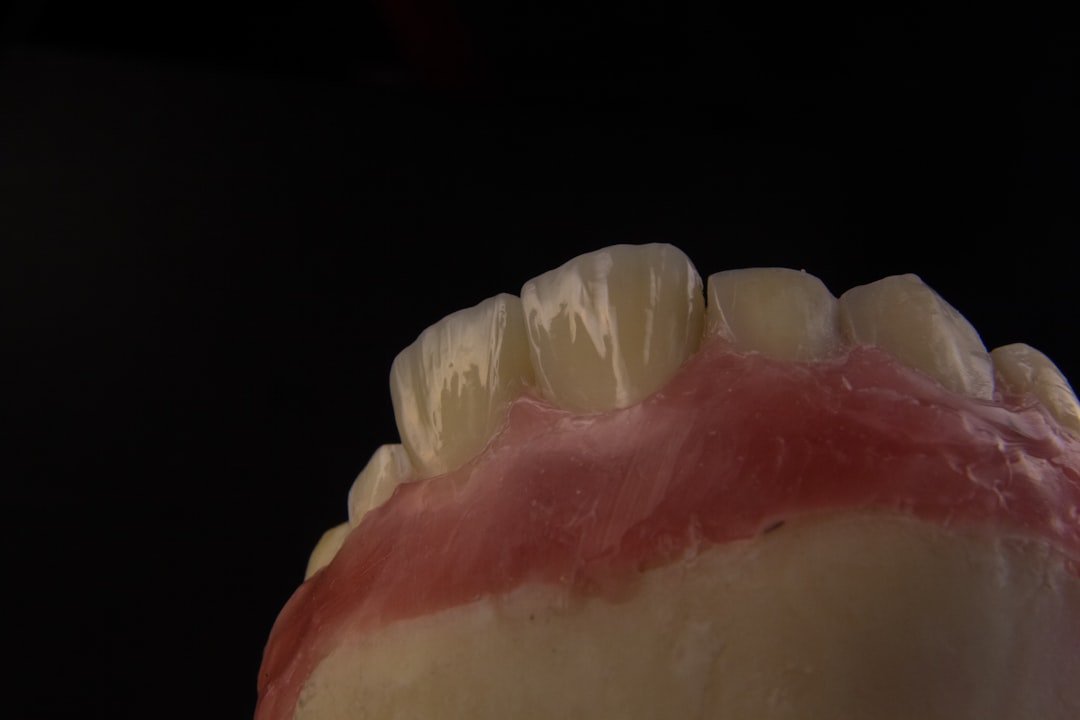
Teeth reshaping, often referred to as dental contouring or enameloplasty, is a cosmetic dental procedure that involves the alteration of the shape, length, or surface of the teeth. This process can be as simple as smoothing out rough edges or as complex as reshaping an entire tooth to improve its appearance and functionality. By removing small amounts of enamel, the outer layer of the tooth, we can create a more aesthetically pleasing smile without the need for extensive dental work. This technique is particularly appealing to those who desire a subtle enhancement rather than drastic changes.
As we delve deeper into the concept of teeth reshaping, it becomes clear that this procedure is not merely about aesthetics; it also plays a crucial role in improving oral health. Misaligned or uneven teeth can lead to various dental issues, including difficulty in cleaning, increased risk of cavities, and even jaw pain. By reshaping our teeth, we can address these concerns while simultaneously enhancing our smile. The procedure is typically quick and can often be completed in a single visit to the dentist, making it an attractive option for those seeking immediate results.
Teeth reshaping, also known as dental contouring, is a popular cosmetic procedure that can enhance the appearance of your smile by altering the shape and length of your teeth. If you’re interested in learning more about dental procedures that can improve your oral aesthetics, you might find the article on dental implants particularly insightful. It discusses the various types of dental implants available and helps you determine which option might be best for your needs. You can read the article here: Unveiling the Four Types of Dental Implants: Which One’s for You?.
Key Takeaways
- Teeth reshaping is a cosmetic dental procedure that alters the shape, length, or surface of teeth.
- Benefits include improved appearance, enhanced smile symmetry, and correction of minor dental imperfections.
- Ideal candidates have minor chips, uneven teeth, or small gaps and good overall dental health.
- The process involves enamel removal and contouring, typically completed in one visit with minimal discomfort.
- Proper aftercare and choosing a qualified dentist are crucial to ensure lasting results and minimize risks.
Benefits of Teeth Reshaping
The benefits of teeth reshaping extend beyond just visual appeal. One of the most significant advantages is the boost in self-confidence that comes with a more attractive smile. Many individuals find that after undergoing this procedure, they feel more comfortable smiling in social situations, which can positively impact both personal and professional relationships. A beautiful smile can serve as a powerful tool in making lasting impressions, and teeth reshaping can help us achieve that goal.
In addition to enhancing our appearance, teeth reshaping can also improve our oral health. By correcting minor imperfections, we can reduce the likelihood of plaque buildup and cavities. Properly shaped teeth are easier to clean and maintain, leading to better overall dental hygiene.
Furthermore, addressing issues such as uneven teeth can alleviate discomfort associated with biting and chewing, ultimately contributing to a more enjoyable eating experience.
Thus, the benefits of teeth reshaping encompass both aesthetic and functional improvements.
Who Can Benefit from Teeth Reshaping

Teeth reshaping is a versatile procedure that can benefit a wide range of individuals. Those with minor imperfections such as chips, uneven edges, or slightly misaligned teeth are prime candidates for this treatment. It is particularly suitable for individuals who are looking for a quick and effective solution to enhance their smile without undergoing more invasive procedures like braces or veneers. Additionally, those who have experienced wear and tear on their teeth due to grinding or other factors may find that reshaping can restore their teeth’s original form and function.
However, it is essential to note that not everyone is an ideal candidate for teeth reshaping. Individuals with significant dental issues, such as severe misalignment or extensive decay, may require more comprehensive treatments before considering reshaping. Moreover, those with certain medical conditions or those who are pregnant should consult with their dentist to determine if this procedure is appropriate for them. Ultimately, a thorough evaluation by a qualified dental professional will help us understand if we are suitable candidates for this transformative treatment.
The Teeth Reshaping Process
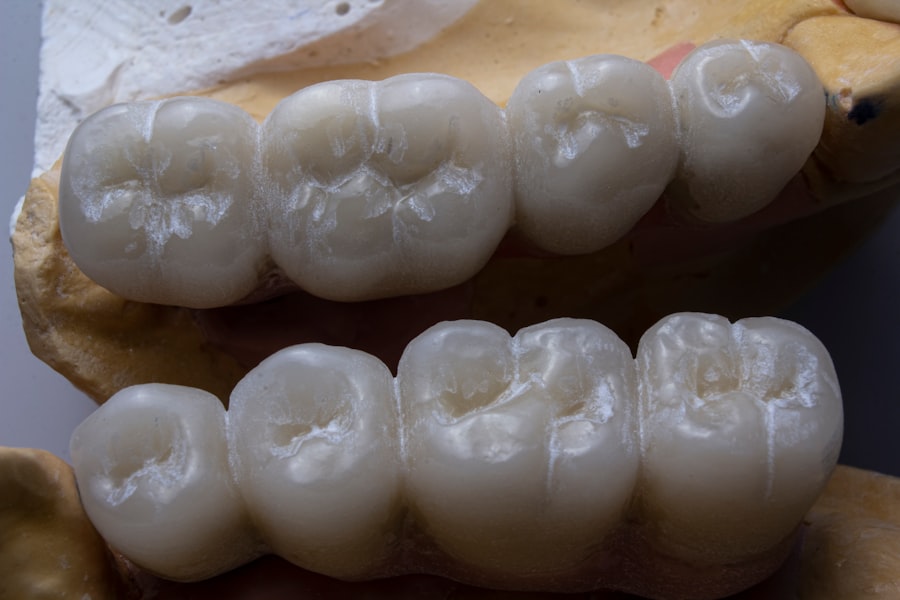
The process of teeth reshaping typically begins with a comprehensive dental examination. During this initial consultation, our dentist will assess our oral health and discuss our aesthetic goals. They will take X-rays if necessary and may use digital imaging to show us potential outcomes. This step is crucial as it allows us to understand what can realistically be achieved through reshaping and ensures that we have realistic expectations.
Once we have agreed on a treatment plan, the actual reshaping process can commence. Using specialized dental tools, our dentist will carefully remove small amounts of enamel from the targeted areas of our teeth. This process is usually painless and does not require anesthesia; however, some patients may opt for local anesthesia if they feel anxious about the procedure. The dentist will then polish the reshaped teeth to ensure a smooth finish and natural appearance. The entire process can often be completed within an hour, making it an efficient option for those with busy schedules.
Teeth reshaping is an increasingly popular cosmetic dental procedure that can enhance the appearance of your smile by correcting minor imperfections. For those considering this treatment, it’s essential to understand the various options available, including denture stabilization, which can significantly improve the fit and comfort of dentures. If you’re interested in learning more about how to achieve a better smile through effective dental solutions, check out this informative article on denture stabilization.
Risks and Considerations
| Metric | Description | Typical Range | Unit |
|---|---|---|---|
| Procedure Duration | Average time taken to complete teeth reshaping | 30 – 60 | minutes |
| Enamel Removed | Amount of enamel removed during reshaping | 0.25 – 0.5 | millimeters |
| Recovery Time | Time for gums and teeth to adjust post-procedure | 1 – 3 | days |
| Success Rate | Percentage of patients satisfied with results | 85 – 95 | percent |
| Cost Range | Typical cost for teeth reshaping procedure | 50 – 300 | units |
| Number of Teeth Treated | Average number of teeth reshaped per session | 1 – 4 | teeth |
While teeth reshaping is generally considered safe, there are some risks and considerations that we should keep in mind before proceeding with the treatment. One primary concern is the potential for increased tooth sensitivity following the procedure. Since enamel is removed during reshaping, some individuals may experience heightened sensitivity to hot or cold temperatures. This sensitivity is usually temporary but can be uncomfortable for some patients.
Another consideration is the possibility of over-reshaping. If too much enamel is removed, it can lead to structural weaknesses in the tooth and increase the risk of decay or damage in the future. Therefore, it is essential that we choose a qualified dentist who has experience in performing this procedure to minimize these risks. Additionally, maintaining good oral hygiene practices post-treatment is crucial to ensure the longevity of our newly reshaped teeth.
Aftercare and Maintenance
After undergoing teeth reshaping, proper aftercare is vital to ensure optimal results and maintain our oral health. We should be mindful of our diet in the days following the procedure; avoiding extremely hot or cold foods can help minimize sensitivity. Soft foods are often recommended initially to allow our teeth to adjust comfortably after reshaping.
Regular dental check-ups are also essential after the procedure. Our dentist will monitor our progress and ensure that our teeth remain healthy and well-maintained. Practicing good oral hygiene by brushing twice daily and flossing regularly will help prevent plaque buildup and cavities around our newly shaped teeth. By following these aftercare guidelines, we can enjoy the benefits of our reshaped smile for years to come.
Cost of Teeth Reshaping
The cost of teeth reshaping can vary significantly based on several factors, including the complexity of the procedure, the location of the dental practice, and whether additional treatments are required. On average, we might expect to pay anywhere from $50 to $300 per tooth for reshaping services. While this may seem like a considerable investment, it is essential to weigh this against the potential benefits of improved aesthetics and oral health.
Many dental insurance plans do not cover cosmetic procedures like teeth reshaping; however, some may offer partial coverage if there are functional improvements involved. It’s advisable for us to check with our insurance provider beforehand to understand our coverage options fully. Additionally, many dental practices offer financing plans or payment options that can make this procedure more accessible for those concerned about upfront costs.
Finding a Qualified Dentist for Teeth Reshaping
Finding a qualified dentist for teeth reshaping is crucial to ensure that we receive safe and effective treatment. We should start by seeking recommendations from friends or family members who have undergone similar procedures. Online reviews and testimonials can also provide valuable insights into a dentist’s reputation and expertise.
Once we have identified potential candidates, scheduling consultations is an excellent way to gauge their experience and approach to cosmetic dentistry. During these meetings, we should feel free to ask questions about their qualifications, experience with teeth reshaping specifically, and any before-and-after photos of previous patients they may have worked with. A good dentist will take the time to explain the procedure thoroughly and address any concerns we may have before proceeding with treatment.
In conclusion, teeth reshaping offers an effective solution for those looking to enhance their smiles while also improving their oral health. With numerous benefits ranging from increased self-confidence to better hygiene practices, this procedure has become increasingly popular among individuals seeking subtle yet impactful changes in their dental aesthetics. By understanding the process, risks involved, and aftercare required, we can make informed decisions about whether teeth reshaping is right for us while ensuring we find a qualified professional to guide us through this transformative journey.
FAQs
What is teeth reshaping?
Teeth reshaping, also known as dental contouring or odontoplasty, is a cosmetic dental procedure that involves removing small amounts of tooth enamel to change the shape, length, or surface of the teeth. It is used to improve the appearance of teeth that are chipped, uneven, or slightly misaligned.
Who is a good candidate for teeth reshaping?
Good candidates for teeth reshaping are individuals with minor cosmetic dental issues such as small chips, uneven edges, or slightly overlapping teeth. It is not suitable for people with extensive dental problems, significant misalignment, or weakened enamel.
Is teeth reshaping a painful procedure?
Teeth reshaping is generally painless because only a small amount of enamel is removed. Most patients do not require anesthesia, but a dentist may use a local anesthetic if the procedure involves sensitive areas.
How long does the teeth reshaping procedure take?
The procedure typically takes between 30 minutes to an hour, depending on the number of teeth being reshaped and the extent of the changes needed. It is often completed in a single dental visit.
Are the results of teeth reshaping permanent?
Yes, the results of teeth reshaping are permanent because enamel is removed during the process. However, maintaining good oral hygiene and avoiding habits like teeth grinding can help preserve the appearance of reshaped teeth.