
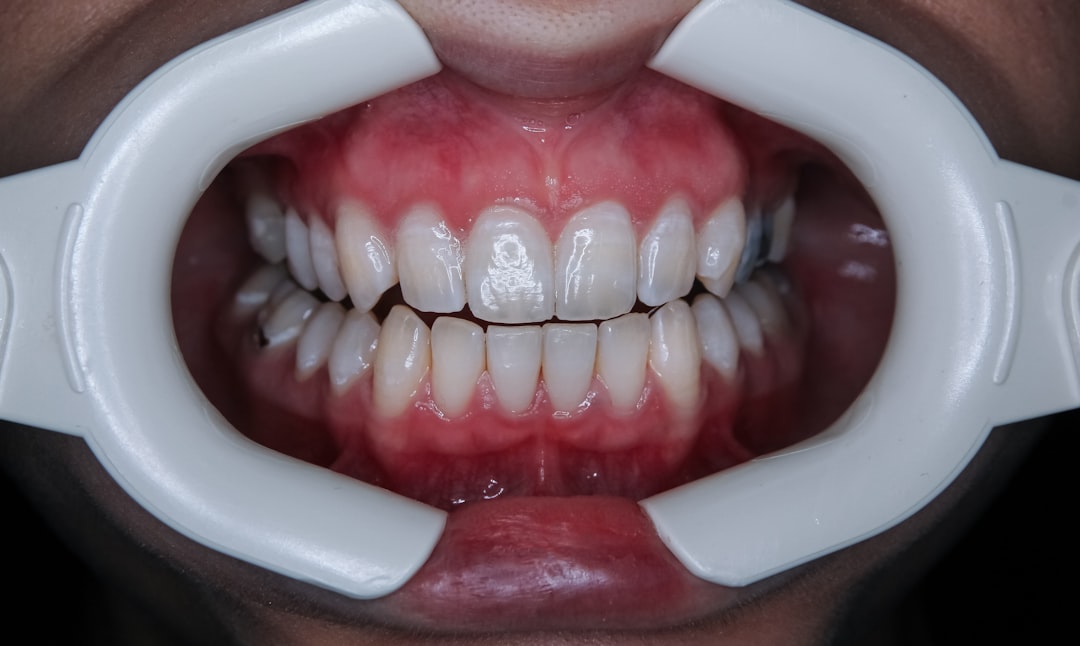
Instant teeth whitening refers to a professional dental procedure designed to enhance the brightness of our smiles in a remarkably short amount of time. This treatment is particularly appealing for those of us who desire immediate results, whether for a special occasion, a job interview, or simply to boost our confidence. Unlike over-the-counter whitening products, which often take weeks to show noticeable effects, instant teeth whitening can lighten our teeth by several shades in just one visit to the dentist.
The process typically involves the application of a high-concentration bleaching agent, often activated by a special light or laser. This method not only accelerates the whitening process but also ensures that the treatment is safe and effective when performed by a trained professional.
Key Takeaways
- Instant teeth whitening provides rapid results through professional in-office treatments.
- In-office procedures use strong bleaching agents activated by light or laser for effective whitening.
- Benefits include immediate brightening, professional supervision, and longer-lasting results.
- Potential risks involve tooth sensitivity and gum irritation, which are usually temporary.
- Good candidates are those with healthy teeth and gums seeking quick, noticeable whitening effects.
How Does In-Office Treatment Work?
In-office teeth whitening treatments are meticulously designed to provide us with optimal results in a controlled environment. The procedure usually begins with a thorough examination of our oral health by the dentist, who will assess the condition of our teeth and gums. This initial evaluation is crucial, as it helps determine the most suitable approach for our specific needs.
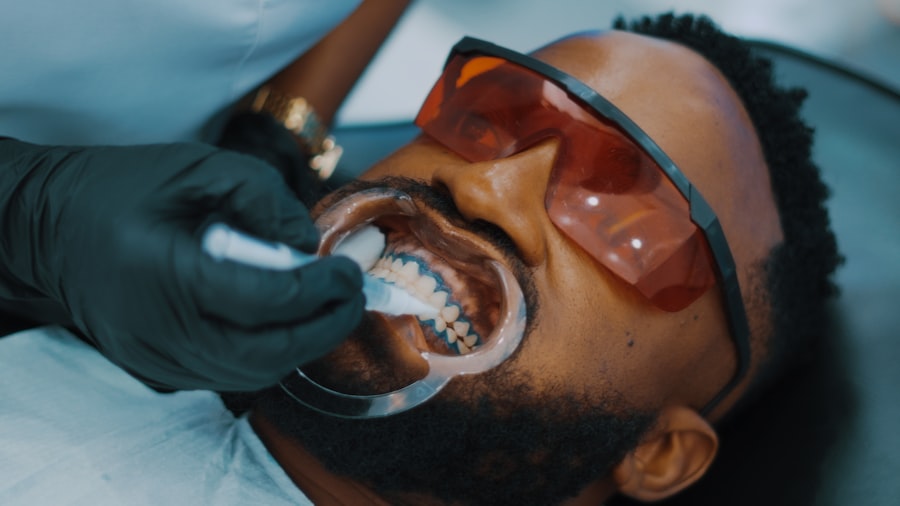
Once we are deemed suitable candidates for the treatment, the dentist will proceed with the whitening process. The actual treatment involves the application of a powerful whitening gel to our teeth. This gel typically contains hydrogen peroxide or carbamide peroxide, which are effective bleaching agents.
After applying the gel, the dentist may use a specialized light or laser to activate the whitening agent, enhancing its effectiveness. The entire process usually takes about an hour, during which we can relax in the dental chair while our teeth undergo transformation. By the end of the session, we can expect to see a significant improvement in the color of our teeth, often leaving us with a radiant smile.
Benefits of In-Office Treatment

One of the most significant advantages of in-office teeth whitening is the immediacy of results. Unlike at-home treatments that require weeks of consistent application, we can walk out of the dental office with visibly whiter teeth after just one session. This instant gratification is particularly appealing for those of us who may have upcoming events or simply want to enhance our appearance quickly.
Additionally, in-office treatments are performed under professional supervision, ensuring that safety protocols are followed and that we receive personalized care. The dentist can tailor the treatment to our specific needs, taking into account factors such as tooth sensitivity and existing dental work. Furthermore, the use of high-quality whitening agents and advanced technology means that we can achieve results that are often more dramatic and longer-lasting than those obtained from over-the-counter products.
This combination of effectiveness and safety makes in-office whitening an attractive option for many individuals.
Risks and Side Effects
| Risk/Side Effect | Description | Frequency | Severity | Mitigation Strategies |
|---|---|---|---|---|
| Allergic Reaction | Immune system response causing rash, itching, or swelling | Rare | Moderate to Severe | Avoid known allergens; use antihistamines or seek medical help |
| Nausea | Feeling of sickness with an urge to vomit | Common | Mild to Moderate | Take medication with food; stay hydrated |
| Dizziness | Lightheadedness or loss of balance | Occasional | Mild | Avoid sudden movements; rest and hydrate |
| Headache | Pain or discomfort in the head region | Common | Mild to Moderate | Use pain relievers; rest in a quiet environment |
| Fatigue | Feeling of tiredness or lack of energy | Common | Mild to Moderate | Ensure adequate rest; maintain hydration and nutrition |
| Severe Infection | Serious infection requiring medical intervention | Rare | Severe | Monitor symptoms; seek immediate medical attention |
While in-office teeth whitening is generally considered safe, it is essential for us to be aware of potential risks and side effects associated with the procedure. One common concern is tooth sensitivity, which can occur during or after treatment. Some of us may experience heightened sensitivity to hot or cold temperatures for a short period following the procedure.
This sensitivity is usually temporary and subsides within a few days.
Dentists take precautions to minimize this risk by using protective barriers, but it is still something we should be mindful of.
In rare cases, overuse of whitening treatments can lead to enamel erosion or damage to existing dental work. Therefore, it is crucial for us to follow our dentist’s recommendations and avoid excessive treatments to maintain our oral health.
Who is a Good Candidate for In-Office Treatment?
Determining whether we are good candidates for in-office teeth whitening involves several factors that our dentist will evaluate during our initial consultation. Generally, individuals with healthy teeth and gums are ideal candidates for this treatment. If we have existing dental issues such as cavities, gum disease, or significant enamel erosion, our dentist may recommend addressing these concerns before proceeding with whitening.
Additionally, those of us who have realistic expectations about the results are more likely to benefit from in-office treatment. While significant improvements can be achieved, it is essential to understand that results may vary based on individual factors such as the severity of discoloration and natural tooth color. Pregnant or nursing women should also consult their healthcare provider before undergoing any whitening treatment, as safety during these periods has not been thoroughly established.
Aftercare and Maintenance
After undergoing in-office teeth whitening, proper aftercare is crucial for maintaining our bright new smile. Our dentist will likely provide us with specific instructions on how to care for our teeth post-treatment. One common recommendation is to avoid certain foods and beverages that can stain our teeth, such as coffee, red wine, and dark-colored sauces, for at least 24 to 48 hours after the procedure.
Additionally, practicing good oral hygiene is essential for prolonging the effects of whitening. We should continue brushing and flossing regularly and consider using a toothpaste designed for sensitive teeth if we experience any discomfort after treatment. Regular dental check-ups will also help us monitor our oral health and ensure that our smile remains bright and healthy over time.
Cost of In-Office Treatment
The cost of in-office teeth whitening can vary significantly based on several factors, including geographic location, the dental practice’s reputation, and the specific techniques used during treatment. On average, we can expect to pay anywhere from $300 to $1,000 for a single session of professional whitening. While this may seem like a considerable investment, many of us find that the immediate results and long-lasting effects justify the expense.
It is also worth noting that some dental insurance plans may cover a portion of the cost if the treatment is deemed medically necessary or if it follows restorative procedures. For those of us concerned about affordability, many dental practices offer financing options or payment plans that can make in-office whitening more accessible without compromising quality.
Alternatives to In-Office Treatment
For those who may not be ready for in-office treatment or are looking for more budget-friendly options, there are several alternatives available for achieving a whiter smile. Over-the-counter whitening strips and gels are widely accessible and can provide gradual results over time. While these products may not deliver the same dramatic effects as professional treatments, they can still be effective for mild discoloration.
Another option is custom take-home whitening kits provided by dentists. These kits include custom-fitted trays and professional-grade whitening gel that we can use at home at our convenience. While they require more time than in-office treatments, they offer a balance between effectiveness and affordability.
In conclusion, instant teeth whitening through in-office treatments presents an appealing option for many individuals seeking a brighter smile quickly and safely. By understanding how these treatments work, their benefits and risks, and exploring alternatives, we can make informed decisions about achieving our desired level of whiteness while maintaining optimal oral health.
In-office teeth whitening is a popular cosmetic dental procedure that can significantly enhance your smile in just one visit. For those considering cosmetic enhancements, it’s essential to understand the broader benefits of cosmetic dentistry. You can read more about this in the article on the untold benefits of cosmetic dentistry, which discusses how various procedures, including teeth whitening, can improve not just aesthetics but also overall dental health. For more information, check out the article here.
FAQs
What is in-office teeth whitening?
In-office teeth whitening is a professional dental procedure performed by a dentist or dental hygienist to lighten the color of teeth. It typically involves applying a high-concentration bleaching agent, such as hydrogen peroxide or carbamide peroxide, directly to the teeth and using specialized lights or lasers to enhance the whitening effect.
How long does an in-office teeth whitening treatment take?
An in-office teeth whitening session usually takes about 60 to 90 minutes. The exact duration depends on the specific treatment protocol and the desired level of whitening.
Is in-office teeth whitening safe?
Yes, in-office teeth whitening is generally safe when performed by a qualified dental professional. The dentist will take precautions to protect the gums and other soft tissues from the bleaching agents to minimize sensitivity and irritation.
How soon will I see results from in-office teeth whitening?
Results are often visible immediately after the treatment, with teeth appearing several shades lighter. Some patients may require multiple sessions for optimal results.
Are there any side effects of in-office teeth whitening?
Common side effects include temporary tooth sensitivity and mild gum irritation. These effects usually subside within a few days after treatment.
How long do the results of in-office teeth whitening last?
The longevity of whitening results varies depending on individual habits such as diet, oral hygiene, and smoking. Typically, results can last from six months to up to three years with proper care.
Can everyone undergo in-office teeth whitening?
Most healthy adults are candidates for in-office teeth whitening. However, it may not be suitable for people with certain dental conditions, such as tooth decay, gum disease, or very sensitive teeth. Pregnant or breastfeeding women are usually advised to avoid whitening treatments.
How does in-office whitening compare to at-home whitening kits?
In-office whitening uses stronger bleaching agents and professional techniques, resulting in faster and more noticeable results compared to over-the-counter or at-home kits. It is also supervised by a dental professional, which enhances safety.
What should I do to maintain my teeth after in-office whitening?
To maintain whitening results, avoid foods and drinks that stain teeth, such as coffee, tea, red wine, and tobacco. Good oral hygiene practices, including regular brushing, flossing, and dental check-ups, are also important.
Is in-office teeth whitening covered by dental insurance?
Teeth whitening is generally considered a cosmetic procedure and is usually not covered by dental insurance plans. It is advisable to check with your insurance provider for specific coverage details.